
When it comes to achieving a straighter smile, there are two main options: Invisalign and traditional braces. But if you’re looking for a quicker way to straighten your teeth, you may be asking: Is Invisalign faster than braces? This is one of the most common questions people have when considering orthodontic treatment.
In this blog, we will examine the details of both Invisalign and braces, showing their differences in treatment duration and advantages, and the elements that can affect your final decision. The article will explain the functioning of both treatments while showing their speed differences and providing reasons to select Invisalign for your dental treatment.
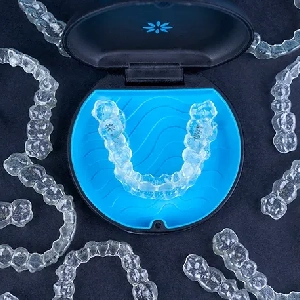
What is Invisalign?
Invisalign is a modern orthodontic treatment that uses clear plastic aligners to gradually straighten teeth. Unlike traditional metal braces, which use wires and brackets to hold teeth in place, Invisalign aligners are custom-made to fit your teeth. Adults and teenagers prefer these braces because they are nearly invisible and allow users to straighten their teeth without wearing traditional braces.
How Does Invisalign Work?
Your teeth will move into their correct position through the gradual process of wearing each aligner, which has been specifically designed for this purpose. The aligner should be worn for 20 to 22 hours each day except during times when you need to eat, drink, or clean your teeth. The treatment progresses when users switch to the upcoming aligner set, which they need to do every two weeks until their teeth achieve complete alignment.
What Are Braces?
Traditional braces use metal brackets, wires, and rubber bands to shift teeth into place. The brackets attach to your teeth while the orthodontist threads the wire through these brackets. Your orthodontist performs regular adjustments to monitor your teeth’s progress toward their intended position.
The typical duration for braces extends beyond six months, while patients require adjustment sessions between four and six weeks.
How Do Braces Work?
Braces apply constant pressure to your teeth, which causes them to move toward their target positions. The length of treatment depends on factors like how crooked your teeth are and how well you maintain your braces. Orthodontists use braces as their primary treatment method for complex dental issues because braces can correct extreme misalignments and bite problems.
Is Invisalign Faster Than Braces?
One of the biggest advantages of Invisalign over traditional braces is the treatment time. On average, Invisalign treatment takes 12 to 18 months, while traditional braces can take anywhere from 18 to 24 months or longer, depending on the complexity of the case. So, in general, Invisalign tends to be faster than braces.
However, several factors affect the duration of treatment for both options. These include:
- The severity of your misalignment: More complex dental issues may require additional time to correct, regardless of whether you choose Invisalign or braces.
- Your compliance: For Invisalign, you need to wear your aligners for 20-22 hours per day. Failure to do so can result in delays in treatment. Braces, on the other hand, are fixed in place, so there is less room for non-compliance.
- Treatment plan: Your orthodontist will determine the best course of treatment for your unique needs, which could influence how long the treatment will take.
Why is Invisalign Generally Faster?
Invisalign works faster for many patients because of the way it moves teeth. Since the aligners are custom-made and designed to gradually shift your teeth into place, you typically experience fewer adjustments compared to traditional braces. Additionally, Invisalign aligners are more efficient in applying pressure to specific teeth, leading to faster movement in some cases.
What Are the Benefits of Invisalign Over Braces?
- Faster Treatment Time: Invisalign treatment provides quicker results because patients achieve straighter teeth within a shorter period than they would need for traditional braces.
- Invisible Treatment: Invisalign aligners are produced from transparent materials, which make them suitable for users who want to avoid showing metal braces.
- Comfort: Invisalign aligners use smooth plastic materials, which provide users with greater comfort compared to braces that cause gum and cheek irritation.
- Removable Aligners: Invisalign aligners enable users to remove the devices during their meals and drinks and their oral hygiene practices. The system provides simpler dental care maintenance because brackets and wires of traditional braces create difficulties for users to keep their mouths clean.
- No Food Restrictions: Invisalign allows users to eat any food they desire because the aligners can be taken off at will. Traditional braces, on the other hand, require you to avoid sticky or hard foods that could damage the brackets.
If you’re still unsure whether Invisalign or traditional braces is the right option for you, check out our in-depth comparison in our Invisalign vs braces blog.
Cost Comparison: Invisalign vs. Braces
When considering orthodontic treatment, one of the most important factors is the cost. Both Invisalign and traditional braces offer effective results, but their costs can vary depending on several factors. Here’s a breakdown to help you understand the financial differences between the two options.
|
Treatment |
Cost Range |
Factors Affecting Cost |
Insurance Coverage |
|
Invisalign |
$3,000 – $8,000 |
Case complexity, location, and treatment duration |
Many plans cover a portion of the cost |
|
Traditional Braces |
$2,500 – $7,500 |
Severity of dental issues, treatment duration |
Often covered by insurance plans |
Potential Side Effects and Considerations with Invisalign
- Mild Discomfort or Pressure: The process of using new aligners for the first time or making changes to current aligners will cause you to experience mild discomfort. The discomfort lasts for a period of three days.
- Soreness in the Gums: After you start wearing new aligners, your gums will experience some soreness because this condition happens to everyone. The soreness will end after your gums complete their adjustment period, which lasts for two days.
- Speech Changes: The lisping effect will disappear after your tongue has learned to control the aligners, which takes a few days to complete.
- Discomfort from Ill-Fitting Aligners: The use of improperly fitting aligners will result in you feeling discomfort. You should reach out to your orthodontist when you continue to feel discomfort or when your aligners do not provide the correct fit.
- Attachments or Buttons: The small attachments that stick to your teeth will produce initial discomfort, but this condition will not last. The attachments enable your aligners to achieve better performance by controlling your teeth’s movement.
- Oral Hygiene Care: Proper oral hygiene is essential. You need to clean your aligners every day and brush your teeth after meals to stop bad breath, stains, and discomfort from happening.
Important Consideration: While these side effects are typically mild and temporary, it’s important to follow your orthodontist’s instructions and attend regular check-ups to ensure that your treatment is progressing smoothly. You should contact your orthodontist for advice whenever you experience any problems with your treatment.
Conclusion: Start Your Journey Toward a Straighter Smile Today!
Choosing between Invisalign and braces is an important decision that depends on your unique dental needs and lifestyle. Invisalign offers a quicker, more comfortable, and discreet treatment option for many patients, while braces remain the best choice for complex cases.
If you’re ready to take the first step toward a straighter smile, schedule your consultation with one of our expert orthodontists at Shahbazyan DDS Cosmetic & General Dentistry today! We’ll discuss your treatment options and create a personalized plan to help you achieve the smile you’ve always wanted in less time and with greater comfort.
Call us now at (559) 435-5660 or visit 7575 N Cedar Ave. Suite 106, Fresno, CA 93720 to book your appointment and get started!
FAQs
Can I switch to Invisalign if I already have braces?
You may be able to change your dental treatment from braces to Invisalign if you are dissatisfied with your current braces. Visit your orthodontist to determine whether this treatment option is suitable for you.
How long will I need to wear Invisalign or braces?
Invisalign treatment lasts between 12 and 18 months, while traditional braces require 18 to 24 months for treatment. The treatment duration will change based on your treatment plan adherence and the severity of your dental condition.
Are braces better for severe cases?
Traditional braces provide superior treatment for complex dental cases that involve severe misalignments and bite problems. Invisalign works best to correct dental misalignments that range from mild to moderate severity.
How often do I need to visit the orthodontist?
Invisalign patients need to see their orthodontist for treatment review every 6 to 8 weeks to check their treatment progress. Patients with braces require more orthodontist appointments, which occur every 4 to 6 weeks for necessary treatment updates.
Can Invisalign treat overbites or underbites?
Invisalign can correct overbites and underbites and additional bite problems, but it does not work well for extreme cases. The orthodontist will examine your bite condition to determine which treatment method works best for you.
