
Dental implants have become the go-to solution for replacing missing or severely damaged teeth. They offer a durable, natural-looking alternative to traditional dentures or bridges. However, not all dental implants are the same, and there are several options for dental implants based on your unique needs and oral health. In addition, there are alternatives to dental implants that may be more suitable for some patients, especially those who are not ideal candidates for implants.
In this blog, we’ll explore the different types of dental implants available, discuss the 4 types of dental implants, and look at viable alternatives to dental implants. At Shahbazyan DDS, we want to ensure you make the best decision for your dental health by understanding all available options.
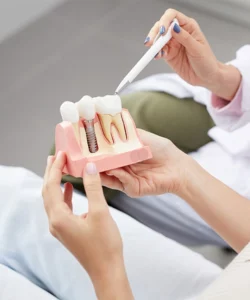
What Are Dental Implants?
Dental implants are artificial tooth roots surgically placed into the jawbone to support replacement teeth or bridges. Made of biocompatible materials like titanium, they fuse with the bone in a process called osseointegration, creating a strong and stable foundation for artificial teeth. Implants are known for their durability, stability, and natural appearance, making them a popular and effective solution for replacing missing teeth.
While dental implants offer many benefits, it’s important to understand that different types of dental implants may suit different patients. Additionally, if you’re not a candidate for implants or prefer a less invasive treatment, there are alternatives to dental implants worth considering.
Different Types of Dental Implants
When it comes to dental implants, several options are available, each catering to specific oral health conditions. Below, we’ll go over the 4 types of dental implants commonly used in dental practices today:
Endosteal Implants
Endosteal implants are the most common type, typically placed directly into the jawbone. They are ideal for patients with healthy jawbones and can support a single tooth, a bridge, or even an entire set of teeth. Made from titanium or zirconia, these implants integrate with the bone, providing a strong, long-lasting base for the replacement tooth.
Subperiosteal Implants
Subperiosteal implants are placed under the gum tissue but on the jawbone. This type of implant is used when there is not enough bone density to support endosteal implants. A custom-made metal frame is placed under the gums, and posts protrude through the gums to hold the replacement teeth. Subperiosteal implants are typically used for patients who cannot undergo bone grafting procedures.
All-on-4 Implants
The All-on-4 dental implant system is designed to replace an entire arch of teeth using just four implants. This technique benefits patients who need a full set of upper or lower teeth replaced but have insufficient bone density. The All-on-4 procedure often avoids the need for bone grafting and allows for a quicker recovery. Four strategically placed implants support the full set of replacement teeth.
Mini Dental Implants
Mini dental implants are smaller versions of traditional implants and are often used for patients with limited bone mass. These implants can support dentures or bridges and are typically less invasive than larger implants. Mini implants are usually a more affordable option and are suitable for patients who don’t want to undergo complex surgeries.
Alternatives to Dental Implants
While dental implants offer excellent benefits, they are not the right solution for everyone. Some patients may not have enough bone density to support implants or prefer a less invasive treatment. Fortunately, several alternatives to dental implants can effectively replace missing teeth, depending on your unique needs.
Dentures
Dentures are removable prosthetics that replace missing teeth. They are a great option for patients who need to replace a full arch or a few teeth. Dentures come in full or partial forms and are a non-invasive and affordable solution. While they can restore appearance and functionality, they do not offer the same permanence or stability as dental implants.
Dental Bridges
Dental bridges are fixed prosthetic devices used to replace one or more missing teeth. They are anchored to adjacent healthy teeth, providing a secure and functional restoration. Bridges are often a preferred option for patients who have healthy teeth on either side of the gap but may not want to undergo the surgery required for implants.
Resin-Bonded Bridges (Maryland Bridges)
Resin-bonded bridges are a less invasive option for replacing missing teeth, typically used for front teeth. A resin-based tooth is bonded to the back of adjacent teeth, eliminating the need to modify the adjacent teeth extensively. This option preserves more of the natural tooth structure, but it may not be as durable as traditional bridges or implants.
Snap-On Dentures
Snap-on dentures are secured to mini-implants with a snap-on mechanism. These dentures provide more stability than traditional removable dentures, improving comfort and chewing function. Snap-on dentures are a good compromise for patients who want the benefits of implants but prefer a less invasive procedure.
Factors to Consider When Choosing the Best Option for You
Choosing the best option for replacing missing teeth involves several considerations. Here are a few factors to keep in mind when selecting the most suitable treatment for your needs:
- Bone Density: Bone density is critical in determining whether you are a suitable candidate for dental implants. Traditional implants or the All-on-4 technique may be ideal if you have sufficient bone structure. However, mini implants or alternatives like bridges or dentures may be better options if you have limited bone density.
- Budget: Dental implants can be more expensive than alternatives like dentures or bridges. When choosing between implants and alternatives, it’s important to consider your budget and long-term financial plans. While implants may require a higher initial investment, they often provide a more durable, permanent solution.
- Health and Lifestyle: Your overall health, oral health, and lifestyle significantly determine the best option. For example, if chronic health conditions affect the healing process, you might consider non-invasive options such as dentures or bridges. On the other hand, implants may be a more permanent solution if you are healthy and have enough bone density.
- Long-Term Goals: Consider how long you want the restoration to last. Implants are typically a long-term solution and can last for many years with proper care, while alternatives like dentures and bridges may need replacement over time.
Conclusion
When it comes to replacing missing teeth, there are several options for dental implants and alternatives to dental implants. Whether you choose traditional implants or mini implants or opt for bridges or dentures, the right solution depends on your unique dental health, preferences, and lifestyle. Consulting with a trusted professional at Shahbazyan DDS can help guide you through the process and help you choose the option that’s best for you.
Contact us today to schedule your consultation and explore the best options for restoring your smile!
Explore Your Options for Dental Implants in Fresno, CA
Ready to restore your smile with advanced dental implant solutions? Visit Shahbazyan DDS at 7575 N Cedar Ave, Suite 106, Fresno, CA, or call (559) 435-5660 to schedule a personalized consultation today!
Let us help you achieve a beautiful, lasting smile with personalized, advanced implant solutions.
FAQs
What are the best alternatives to dental implants?
Alternatives like dental bridges, dentures, and resin-bonded bridges are good options for patients who cannot undergo implant surgery. These solutions are less invasive and more affordable, though they may not offer the same stability and longevity as implants.
How long do dental implants last?
With proper care and maintenance, dental implants can last a lifetime. The crowns or restorations may need replacement after 10-15 years, but the implant can provide a permanent solution.
Are mini implants a good option for seniors?
Mini implants are an excellent option for seniors with limited bone density. They are less invasive and provide a secure fit for dentures, making them an excellent choice for patients who may not be candidates for full-sized implants.
Can I choose between dental implants and bridges?
Yes, you can choose based on your health, preferences, and budget. Implants offer a permanent, secure solution, while bridges are quicker, less invasive, and more affordable.
How much do dental implants cost?
The cost of dental implants can range from $1,500 to $6,000, depending on the type of implant, the complexity of the procedure, and the dental practice. Discussing your options with your dentist will give you a clearer idea of the total cost.
What is the best option for dental implants?
The best option depends on oral health, bone structure, and goals. Endosteal implants are commonly preferred for durability, but All-on-4 or zygomatic implants may be better for patients with extensive tooth or bone loss.
What is the 3/2 rule for dental implants?
The 3/2 rule advises placing three implants to support a two-unit prosthesis in high-stress areas, ensuring implant longevity and prosthetic stability. While helpful in planning, this rule is applied selectively based on clinical judgment.
At what age should you not consider dental implants?
Implants are generally not placed in patients under 18 due to incomplete jaw development. In older adults, age is not a limitation unless there are significant health risks like uncontrolled diabetes or severe bone loss.
How much will insurance pay for dental implants?
Dental insurance coverage for implants varies. Some plans cover a portion of the cost, between 10% and 50%, but many exclude implants. Always confirm your benefits with your insurance provider.
