
Celebrities and influencers have made veneers one of the most desired cosmetic dental procedures worldwide. But behind every perfect smile transformation, there is one question almost nobody asks out loud.
Are veneers bad for your teeth? The short answer is no, but only when placed correctly by a qualified cosmetic dentist. The real question is whether veneers are the right choice for your specific teeth, bite, and long-term oral health.
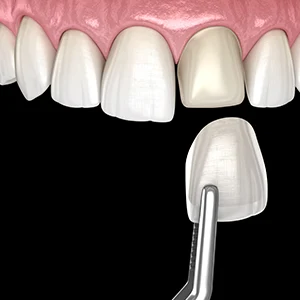
What are Dental Veneers?
Dental veneers are thin, custom-made shells bonded to the front surface of your teeth to improve their appearance. According to the American Dental Association, veneers are a recognized cosmetic restoration used to correct chips, stains, gaps, and minor misalignment.
They are made from one of two materials:
- Porcelain veneers are harder, more stain-resistant, and last 10 to 15 years with proper care.
- Composite resin veneers are more affordable and easier to repair, but wear down faster over time.
To place a veneer, a thin layer of enamel is removed from the front of the tooth, typically around 0.3 to 0.5 millimeters. This prepares the surface for bonding and ensures the veneer sits flush with surrounding teeth. This step is permanent, which is why candidacy and placement quality matter so much.
Are Veneers Bad for Your Teeth?
Veneers are not bad for your teeth when placed correctly by a trained cosmetic dentist. The American Dental Association recognizes veneers as a safe and established cosmetic restoration used in dental practices for decades.
When done right, veneers can actually benefit your teeth in several ways:
- Protection from staining: Porcelain veneers are highly resistant to discoloration from coffee, tea, and food pigments.
- Protection from minor damage: Veneers act as a protective layer over teeth that are chipped, worn, or have weakened enamel.
- Long-term durability: Patients with correctly placed veneers routinely get 10 to 15 years of reliable wear with proper care.
The concern is not the veneer itself. Problems arise when veneers are placed on the wrong candidate, by an underqualified provider, or without proper aftercare. Understanding those risks is what helps patients make the right decision.
What Are the Disadvantages of Veneers?
Veneers are a safe and effective procedure, but there are important drawbacks to consider before committing:
- Enamel Removal is Permanent: A thin layer of enamel is removed before placing veneers, and this cannot be undone. Your teeth will always require veneers or a replacement restoration.
- Veneers are Not Reversible: Once the enamel is removed, you cannot return to your natural tooth structure. Veneers are a lifetime commitment, not a temporary cosmetic fix.
- Tooth Sensitivity is Common After Placement: Some patients may experience sensitivity to hot and cold in the days following the procedure. This typically resolves within a few weeks.
- Veneers Can Chip or Crack: While porcelain is strong, it’s not unbreakable. Habits like chewing ice, biting nails, or grinding teeth can increase the risk of damage.
- Decay Can Still Develop Underneath: Veneers only cover the front of the tooth, leaving the back exposed. Poor oral hygiene can allow bacteria to reach the margins, causing decay beneath the veneer.
- Veneers Need Replacing: Even with good care, veneers last 10 to 15 years. Patients should plan for replacement costs and procedures down the road.
For a deeper look at how these issues develop and how to handle them, read our full guide on common problems with dental veneers.
Can you Get Cavities under Veneers?
Yes, you can get cavities under veneers, but it is uncommon among patients who maintain good oral hygiene. Veneers cover the front surface of the tooth, not the entire tooth. The margins, edges, and back remain fully exposed to bacterial and plaque buildup.
Decay under veneers typically develops for one of two reasons:
- Poor oral hygiene: Irregular brushing and flossing allow bacteria to build up around the veneer margins and reach the underlying tooth.
- Improper bonding: Veneers not sealed correctly create microscopic gaps that allow bacteria to enter and cause decay without visible warning signs.
The good news is that cavities under veneers are largely preventable. Brushing twice daily, flossing regularly, and attending checkups every six months are the most effective ways to protect teeth with veneers from decay, as confirmed by the National Institute of Dental and Craniofacial Research.
Porcelain vs. Composite Veneers: Which Is Better for Your Teeth?
The material of your veneers affects their interaction with your teeth, longevity, and response to daily wear. The best choice depends on your tooth condition, bite, and cosmetic goals.
|
Feature |
Porcelain Veneers |
Composite Veneers |
|
Enamel Removal |
Minimal (0.3–0.5mm) |
Minimal to none |
|
Reversibility |
Irreversible |
Partially reversible |
|
Lifespan |
10–15 years |
5–7 years |
|
Fracture Risk |
Low with proper care |
Slightly higher |
|
Stain Resistance |
High |
Moderate |
|
Repairability |
Requires replacement |
Repairable chairside |
|
Cost |
Higher |
More affordable |
|
Best For |
Long-term durability |
Budget-friendly option |
Note: A thorough evaluation of your bite, habits, and oral health determines the right material. If you are still weighing your options, our guide on how to choose the best type of veneers breaks down every option in detail.
Who Is a Good Candidate for Veneers?
Veneers can offer a beautiful smile, but not everyone is a suitable candidate. A qualified cosmetic dentist will assess your oral health to determine if veneers are right for you. Here’s a breakdown of the ideal candidates for veneers:
- Healthy Teeth and Gums: Ideal candidates have no active decay or gum disease, ensuring veneers bond securely to healthy enamel.
- Minor Cosmetic Concerns: Veneers are ideal for addressing chips, stains, gaps, or slight misalignment.
- Stable Bite: A stable bite with no severe teeth grinding or clenching; if grinding is present, wearing a night guard is recommended.
- Good Oral Hygiene: Committed to routine oral care, including regular dental checkups and brushing to maintain veneer longevity.
- Realistic Expectations: Candidates should understand that veneers are a long-term investment and may require maintenance over time.
You can also review our full breakdown on the cost of dental veneers to plan your investment accordingly.
What Are the Alternatives to Veneers?
Veneers aren’t the only option for improving your smile. For those who are not ideal candidates or prefer a less permanent solution, several alternatives offer strong cosmetic results without the same level of commitment:
- Teeth Whitening: Teeth whitening is the most conservative option for patients concerned with discoloration. It’s fully reversible and requires no enamel removal.
- Composite Bonding: Ideal for correcting chips, minor gaps, and surface imperfections. It’s more affordable than porcelain veneers, requires minimal enamel removal, and can be repaired chairside.
- Invisalign: For patients with crooked or spaced teeth, Invisalign addresses misalignment at its root, providing a longer-lasting solution compared to veneers.
- No-Prep or Ultra-Thin Veneers: These options preserve more natural tooth structure and may be suitable for patients seeking veneers with minimal enamel reduction.
The best alternative depends on your specific tooth condition and cosmetic goals. A consultation with your dentist is the best way to determine the most effective option for your needs.
Wondering whether veneers are even an option if you have missing teeth? Read our guide on dental veneers for missing teeth for a full explanation.
Are Veneers Worth It?
For the right patient, veneers are absolutely worth it. They deliver long-lasting cosmetic results and hold up reliably for 10 to 15 years with proper care. To understand exactly what affects the lifespan of veneers, read our detailed guide on how long veneers last. The patients who regret veneers are almost always those who were not properly evaluated before the procedure, chose an underqualified provider, or were not fully informed about the permanent nature of the commitment.
Veneers are not a decision to make based on a social media transformation. They are a clinical decision that starts with an honest evaluation of your teeth, bite, and long-term oral health goals.
Ready to Find Out If Veneers Are Right for You?
Veneers placed with proper evaluation and technique are far less likely to cause problems. At Shahbazyan DDS Cosmetic & General Dentistry, Dr. Zaruhi Shahbazyan’s UCLA training in cosmetic dentistry means every veneer case begins with a thorough assessment of your tooth health, bite, and long-term goals before any treatment is recommended.
Visit us at 7575 N Cedar Ave, Suite 106, Fresno, CA 93720. New patients can reach us at (559) 435-5660. Book your consultation today.
FAQs
Are veneers bad for your teeth?
No, veneers are not bad for your teeth. When a qualified cosmetic dentist selects the right candidate and places veneers correctly, the procedure is safe, predictable, and long-lasting.
Do veneers damage your enamel?
A small amount of enamel is removed during preparation, typically 0.3 to 0.5 millimeters. This is permanent but does not weaken the tooth when done correctly by a trained dentist.
Can you get cavities under veneers?
Yes, but it is uncommon with proper care. The National Institute of Dental and Craniofacial Research confirms that consistent brushing, flossing, and routine checkups are the most effective means of protecting dental restorations from decay.
Are veneers permanent?
The enamel removal involved in placement is permanent, making the commitment lifelong. The veneers themselves last 10 to 15 years on average before needing replacement.
Are veneers safe for people who grind their teeth?
Grinding increases the risk of veneer fracture over time. Patients who grind should discuss a custom night guard with their dentist before proceeding with veneers.
What happens to teeth after veneers are removed?
Because enamel is reduced during placement, teeth will always require some form of restoration afterward. They cannot return to their original, unrestored state.
