
Porcelain veneers are designed to withstand daily use, yet questions about durability arise in nearly every patient consultation. Have veneers been known to break while eating? Yes, they have, but breakage occurs under specific, identifiable conditions, not during routine meals.
The difference between a veneer that lasts 15 years and one that chips comes down to a few specific conditions. Let’s explain the real causes of veneer breakage, the foods and habits that increase risk, and the steps to take if a chip or crack ever occurs.
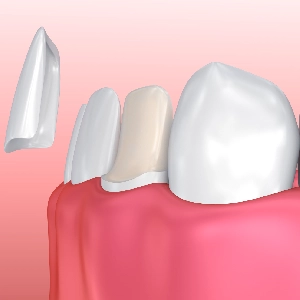
What are Dental Veneers Made of?
Dental veneers are thin, custom-made shells bonded to the front surface of teeth to correct chips, stains, gaps, and minor misalignment. According to the American Dental Association, veneers are made from either porcelain or composite resin, each with distinct durability characteristics.
- Porcelain veneers are harder, more stain-resistant, and last 10 to 15 years with proper care.
- Composite resin veneers are less expensive and easier to repair, but wear down faster over time.
Unlike a dental crown, which wraps the entire tooth, a veneer covers only the front surface. This makes bite pressure, force angle, and food hardness more relevant to veneer durability than most patients realize.
For a full breakdown of all veneer options, see our guide to the types of dental veneers.
Can Veneers Break While Eating?
Yes, Veneers can break while eating, but it is far less common than most patients expect. Veneers are engineered to handle normal chewing forces without issue. The National Institute of Dental and Craniofacial Research confirms that modern dental materials, including porcelain, are designed to withstand the pressures of daily oral function. Normal eating does not cause veneer breakage. Specific habits, food choices, and underlying tooth conditions do.
What Causes Veneers to Break or Chip?
Veneers are durable, but certain foods, habits, and dental conditions can put them at risk. These are the most common causes of veneer breakage:
Biting into Very Hard Foods
Ice, hard candy, and unpopped popcorn kernels exert a sudden, concentrated force on the edges of the veneer, making the front teeth the most vulnerable. Dentists often advise avoiding these foods to prevent damage.
Biting Directly into Firm Foods
Tearing into whole apples, crusty rolls, or tough meat places sideways force on the veneers that they are not designed to handle. Cutting these foods into smaller pieces removes that risk entirely.
Grinding and Clenching Teeth at Night
Grinding during sleep gradually wears down the veneer material and weakens the bond, often without the patient noticing. A custom night guard absorbs that pressure and is one of the most effective ways to protect the veneer in the long term.
Using Teeth as Tools
Opening packages, bottles, or tags with your teeth creates an unpredictable force that no dental material is built to withstand consistently. This is one of the most preventable causes of veneer damage.
A Weak or Damaged Tooth Underneath
A veneer placed over a decayed or enamel-thin tooth has a compromised foundation from the start. A thorough examination of the underlying tooth before placement is what separates a veneer that lasts from one that fails early.
For a complete understanding of how these and other issues develop over time, read our guide on common problems with dental veneers.
Do Porcelain Veneers Break More Easily Than Composite?
The material of your veneers influences how they respond to pressure, biting habits, and daily wear. Here’s a quick comparison of two types of Veneers:
|
Feature |
Porcelain Veneers |
Composite Resin Veneers |
|
Strength |
Harder, more resistant to wear |
Softer, more prone to wear over time |
|
Fracture Risk |
Can fracture under sharp, sudden force |
Less likely to fracture due to flexibility |
|
Stain Resistance |
Highly resistant to stains |
More prone to staining over time |
|
Lifespan |
10 to 15 years with proper care |
5 to 7 years with proper care |
|
Repairability |
Difficult to repair, often requires replacement |
Easier to repair chairside |
|
Cost |
Higher initial cost |
More affordable initially |
|
Best For |
Patients seeking long-term durability |
Patients seeking a cost-effective option |
Note: Neither material is indestructible. The ideal choice depends on your bite, eating habits, and cosmetic goals. If you are also considering ultra-thin options, our comparison of veneers vs Lumineers covers the durability differences in full detail.
What Foods Can Break Your Veneers?
Certain foods can damage veneers by applying concentrated force to their edges, especially on the front teeth. Here are some foods to avoid:
- Ice
- Hard candy and lollipops
- Unpopped popcorn kernels
- Very hard or crusty bread bitten with front teeth
- Whole raw apples or carrots bitten directly
- Nuts cracked with front teeth
- Sticky or chewy foods that pull at the veneer edges
- Hard taco shells
- Beef jerky or tough dried meats
Fortunately, most everyday foods, including cooked vegetables, proteins, soft fruits, and grains, are safe for your veneers.
How to Prevent Veneers from Breaking While Eating?
Protecting your veneers requires a few simple habits. Most veneer damage is preventable with proper care:
- Chew Hard and Crunchy Foods with Your Back Teeth: Molars are designed to handle tough foods, reducing pressure on your veneered front teeth.
- Cut Firm Foods into Smaller Pieces: Foods like apples, raw carrots, and crusty bread are safe when cut into smaller pieces, rather than biting into them with front teeth.
- Avoid Ice, Hard Candy, and Unpopped Popcorn Kernels: These foods place excessive stress on veneers and are common causes of preventable damage.
- Wear a Custom Night Guard if You Grind Your Teeth: A night guard absorbs the pressure from grinding and helps preserve your veneers. The National Institute of Dental and Craniofacial Research recommends it for reducing restoration damage.
- Never Use Your Teeth as Tools: Opening packages or bottles with your teeth puts concentrated force on veneers, which they’re not designed to withstand.
What to Do If Your Veneer Breaks or Chips?
A broken or chipped veneer is unsettling but rarely an emergency. The steps to handle it are easy to follow:
- Stay calm because a chipped veneer does not always mean the tooth is damaged.
- Save any broken fragments and bring them to your dental appointment.
- Avoid chewing on that side until your dentist examines the veneer.
- Rinse gently with warm water if there is any sensitivity or discomfort.
- Contact your dentist as soon as possible. Small chips can often be smoothed or repaired, while a fully fractured veneer typically requires replacement.
- Do not delay. Leaving a broken veneer unattended exposes the underlying tooth to further damage.
Takeaway
Yes, veneers have been known to break while eating, but breakage is not a routine occurrence for patients who take care of them. It comes down to specific foods, identifiable habits, and dental conditions that a dentist can address before they become problems. Patients who follow the proper care guidelines and attend regular checkups can expect 10 to 15 years of reliable wear from their veneers. To understand exactly what affects the lifespan of veneers, read our full guide on how long veneers last.
Want Veneers That Last? Our Fresno Dental Team Can Help
Veneers placed with precision and care are far less likely to chip, crack, or fail early. At Shahbazyan DDS Cosmetic & General Dentistry, Dr. Zaruhi Shahbazyan brings the expertise and attention to detail that gives your veneers the best possible foundation for lasting results.
Visit us at 7575 N Cedar Ave, Suite 106, Fresno, CA 93720. New patients can reach us at (559) 435-5660.
FAQs
Have veneers been known to break while eating hard foods?
Yes, veneers have been known to break while eating hard foods like ice, hard candy, and very crusty bread. These foods place concentrated force on veneer edges and are among the leading causes of veneer damage. Chewing them with back teeth and cutting food into smaller pieces significantly lowers the risk.
How long do veneers last before they need to be replaced?
Porcelain veneers last 10 to 15 years with proper care. Composite veneers generally last 5 to 7 years. Avoiding hard foods, wearing a night guard if you grind, and attending regular dental checkups all help extend that lifespan.
Can a broken veneer be repaired, or does it need to be replaced?
Minor chips can often be smoothed or repaired with bonding material. A veneer that has fully cracked or detached from the tooth usually requires full replacement. Seeking prompt dental care protects the underlying tooth from further damage.
Is it safe to eat normally with veneers?
Yes, most everyday foods are completely safe with veneers. Veneers are designed to withstand normal chewing forces without issue. The only adjustments worth making are avoiding hard items like ice and whole raw apples bitten with front teeth, which most patients find easy to manage.
